
Advertisement
Over 85% of Americans want services that save them time. This desire is now guiding product plans in many fields.
Digital ease is changing our lives in the U.S. We shop on Amazon and Walmart online. We bank with PayPal and JPMorgan Chase easily. Quick checkouts, instant transfers, and smart home systems like Ring and Nest make life simpler.
This article dives into what users want next in digital ease. We’ll talk about faster online services, AI-driven personalization, and mobile-first behavior. Smartphones are becoming the main way people access services.
This guide is for product managers, marketers, UX designers, and business leaders. It offers steps to create better digital experiences. It aims to meet the growing demand for digital convenience. Read on for advice that will help teams create services users will love.
Understanding Digital Convenience
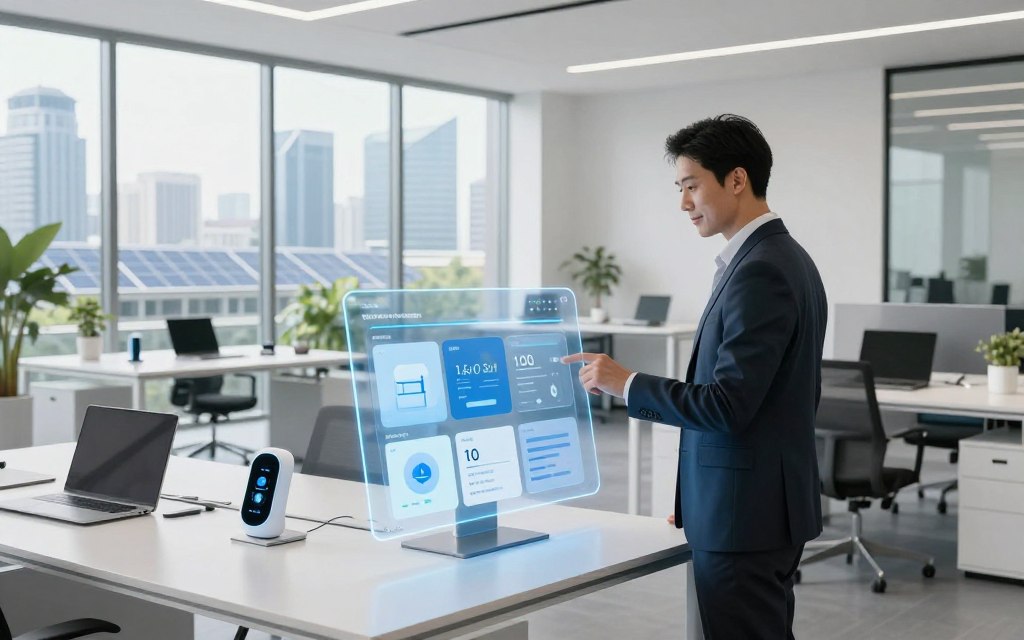
People want tools that are quick, reliable, and easy to use. Digital convenience combines fast access, reliability, and smooth interactions. It’s about making services simple for daily use.
Defining digital convenience in today’s world
Digital convenience means fewer steps to get what you need. A one-click checkout is a big win. Signing in across apps with one login is a big plus.
Businesses track this with conversion rates and how fast things load. They aim to make things better for users.
The role of technology in enhancing convenience
Cloud services like AWS and Google Cloud make sure services stay up and running. Twilio’s APIs make messaging and verification instant. Stripe makes payments easy and quick.
Fast mobile networks and AI make interactions smoother. This is what technology convenience is all about.
Key benefits of digital convenience
Good digital solutions make users happy and keep them coming back. One-click checkout boosts mobile sales. Chatbots and automation save money and improve service.
AI-driven personalization can increase sales and reach new customers. Investing in digital convenience pays off in many ways.
When companies focus on making things better, they see more sales and happier customers. Good design and strong tech create experiences users love.
User Expectations in a Digital World
Today, people want services that fit their lives and devices. Brands that offer smooth digital experiences earn loyalty. Users judge products by how fast, clear, and easy they are to use across web, app, and stores.
Online accessibility and easy digital access are key. They shape how customers feel from the first click.
What Convenience Means to Different Users
Consumers want quick checkouts, clear delivery options, and reliable tracking. Services like Uber and DoorDash set high standards for on-demand convenience.
Professionals seek tools that save time. Microsoft and Adobe must integrate with calendars, cloud storage, and collaboration suites. This boosts productivity and trust.
Older adults value easy-to-use designs and clear instructions. Large text, simple navigation, and easy access help reduce frustration.
People with disabilities need screen reader support and keyboard navigation. Online accessibility features must be standard, not optional, for equal access.
Trends Shaping User Expectations
On-demand services and fast delivery have changed what we expect. Consumers want quick results and pages that load fast.
Subscription models like Amazon Prime and Disney+ set high standards for consistent, seamless experiences. Virtual convenience is now key to perceived value.
Authentication has moved to biometrics and passwordless login. Users prefer easy sign-in that still protects privacy.
Omnichannel experiences link app, web, and in-store touchpoints for seamless journeys. Instant search results and mobile-first design are crucial.
Behavioral data shows growing acceptance of AI-driven recommendations when privacy is respected. Services that balance personalization with clear controls score higher on trust. They deliver real digital convenience and virtual convenience.
The Impact of Mobile Technology on Digital Convenience
Mobile devices are now the main way many Americans access the internet. This change makes people expect easy, smooth experiences. Brands that follow Apple’s and Google’s design guidelines can offer these better interactions.
The Importance of Mobile Accessibility
Accessible apps help more people and make things easier. Using WCAG principles helps meet different needs. Designers should focus on big touch targets, clear colors, and easy navigation.
Voice control and screen reader support are key for both iOS and Android. PWAs and offline features keep services running even without internet. These features help keep users coming back and feel more efficient online.
Apps that Enhance Everyday Convenience
Mobile-first services make daily tasks simpler. Apple Wallet and Google Pay make payments quick. Venmo and Zelle make sending money easy. Ride-hailing apps like Uber and Lyft make getting around easier, and Instacart makes grocery shopping simple.
Navigation tools like Google Maps give real-time traffic updates. This saves time. Native apps often have better engagement and lower cart abandonment. Push notifications help users stay on track and increase sales.
- Responsive design: adapts layouts for phones and tablets.
- Progressive enhancement: ensures core features work offline.
- Accessibility testing: validates screen reader and voice control support.
- Performance tuning: keeps app load times low for better engagement.
When mobile accessibility and thoughtful design meet real-world needs, platforms offer clear benefits. Companies that focus on convenience see better retention and satisfaction. This builds stronger trust in digital services across devices.
Personalization and User Experience
Personalization changes how we use apps and websites. When services meet our needs, we feel valued and stay longer. Netflix and Amazon use special algorithms to suggest things we might like, making our experience better.
Machine learning is key to personalization. It looks at what others like to suggest new things. It also matches what we’ve liked before to find more of the same. This helps predict what we might want next, making our experience more tailored.
There are many digital solutions that make our experience better. For example, personalized home screens and search results that fit what we’re looking for. Notifications that know where we are and what we’re doing also make a big difference.
Keeping our data safe is important too. Companies like Apple use local models to keep our info private. This way, we get a personalized experience without worrying about our data.
Listening to what users say helps make things better. Surveys, feedback widgets, and testing help find what’s not working. Spotify and Netflix are great examples of how listening to feedback can improve their services.
Here’s a quick look at some common ways to personalize and what they do:
| Method | How It Works | Typical Outcome |
|---|---|---|
| Collaborative Filtering | Finds similar users and recommends items they liked | Higher discovery, improved conversion |
| Content-Based | Matches item attributes to user preferences | More relevant suggestions, fewer mismatches |
| Predictive Analytics | Forecasts user needs from past behavior | Timely offers, reduced churn |
| On-Device Models | Processes data locally to protect privacy | Secure personalization, stronger trust |
| Context-Aware Notifications | Uses location and activity signals to trigger messages | Higher engagement, better user timing |
Security and Trust in Digital Convenience
People want fast, helpful services that are safe. Companies that keep data secure and communicate clearly win loyalty. They make sure digital convenience and online access are smooth and safe.
Users’ Concerns about Privacy
Big breaches like Equifax made people worry about data safety. They fear tracking, sharing, and misuse of personal info. Laws like GDPR and CCPA have changed how data is handled in the U.S.
These worries make people hesitant to use new apps and services. They might miss out on ways to make their lives better.
Building Trust with Transparent Policies
Trust grows when companies are open about privacy. Apple and Signal are good examples. They use clear language and easy controls.
Regular security checks and compliance statements also help. They reduce doubt and uncertainty.
Methods like multi-factor authentication and biometric login keep things secure. They don’t slow down the user experience. Apple Pay and Stripe make payments easy and safe.
Adaptive authentication adds extra security for risky actions. End-to-end encryption for messaging keeps conversations private. This builds trust and supports online accessibility.
Clear, in-app explanations about data use help users understand. When the explanation matches the product, trust and accessibility increase.
The Role of E-Commerce in Digital Convenience
E-commerce makes shopping easier by cutting down the time between wanting something and buying it. People want to find products quickly, pay easily, and get them fast. Stores that make this happen get more customers and more orders.
Streamlined shopping experiences
Features that make shopping simple are key. Guest checkout and one-click buying, like Amazon’s, make the end steps quick. Saved payment methods and smart search help find items fast.
Tools like Warby Parker’s try-on feature and Sephora’s visual search reduce doubt. Good product suggestions help find new things, boosting sales while keeping things easy.
Checkout improvements are crucial. Payment systems like Stripe and PayPal make paying easier. Clear shipping and tax info lower cart abandonment and build trust.
Deliveries and logistics innovations
Fast, reliable delivery is key. Amazon Prime and Walmart offer same-day and next-day delivery. Micro-fulfillment centers and curbside pickup speed up delivery in cities.
Real-time tracking and contactless delivery became common during the pandemic. These changes boosted trust and made returns easier, strengthening loyalty.
Future logistics include drone trials like Amazon Prime Air and robots from Starship Technologies. AI helps plan routes for faster, cheaper delivery while keeping things convenient.
Business impact
Good shipping and easy returns lead to more orders and loyal customers. Brands that focus on digital ease and smooth after-sales see more repeat business and value from customers.
Investing in checkout, payment options, and delivery innovation gives e-commerce a competitive edge. These efforts lead to stronger customer relationships and growth in a market that values ease.
Smart Home Technology
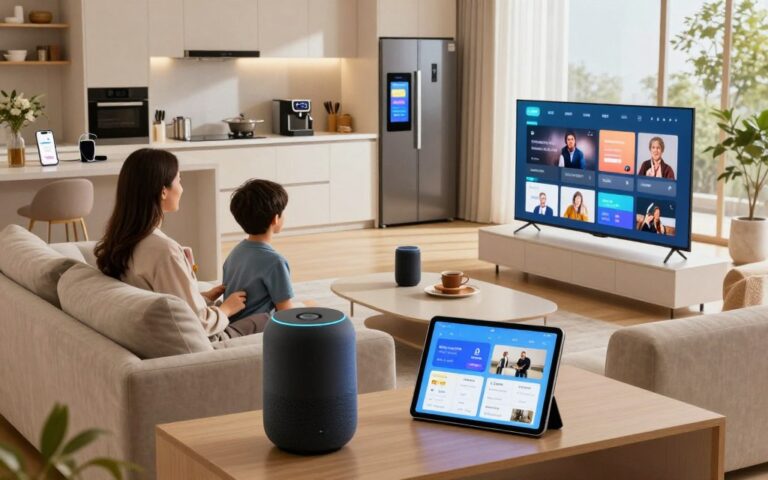
Smart home devices are changing how we live our daily lives. They offer digital convenience through simple controls and voice commands. They also have scheduled routines for easy use.
People want virtual convenience that feels natural and reliable. Easy digital access helps appliances, lighting, and climate systems work together smoothly.
How Smart Devices Enhance Daily Routines
Smart speakers like Amazon Echo and Google Nest let users start tasks with just a voice command. A morning routine can turn lights on, raise the thermostat, and play news with one sentence. Smart thermostats from Nest and Ecobee cut energy use by adjusting temperature on a schedule.
Philips Hue lighting sets ambiance and follows schedules for wake-up and sleep. Connected ovens and washers let people start cycles from a phone. These conveniences save time and reduce mental load.
User Control and Automation
Users create scenes or routines to automate sequences across devices. Apple HomeKit, Google Home, and Amazon Alexa provide ecosystems for device control. The Matter standard improves cross-brand compatibility so devices work together more reliably.
Security is key when devices connect to the internet. Secure onboarding, timely firmware updates, and network segmentation protect IoT devices. Industry groups and manufacturers are moving toward stronger IoT security practices to keep homes safe.
Voice interfaces and remote monitoring support accessibility. People with mobility or visual impairments gain independence from voice control. Caregivers use remote tools to help aging family members remain in their homes longer.
| Feature | Example | User Benefit |
|---|---|---|
| Voice Control | Amazon Echo, Google Nest | Hands-free operation for quick tasks and accessibility |
| Smart Climate | Nest Thermostat, Ecobee | Improved energy efficiency and comfort scheduling |
| Smart Lighting | Philips Hue | Ambiance control, security simulations, and timed scenes |
| Interoperability | Apple HomeKit, Google Home, Matter | Simpler setup and cross-brand automation for virtual convenience |
| Security Practices | Firmware updates, secure onboarding, network segmentation | Reduced risk of breaches and safer easy digital access |
Financial Services and Digital Convenience
Financial services are always looking to improve digital convenience. People want quick and easy ways to manage their money. Banks and fintech companies are working hard to make this happen while keeping user data safe.
Mobile banking apps from big names like Chase and Bank of America are popular. They offer features like instant transfers and bill pay. Apple Pay and Google Pay make paying at stores easy with just a tap.
These apps send real-time alerts and let you send money to friends instantly. They also have strong security features like biometric authentication. This makes users feel safe and builds trust.
Cryptocurrency is becoming more important in payments. It can make sending money across borders cheaper and faster. PayPal and Coinbase let you buy and use crypto for purchases. Visa and Mastercard are even testing crypto-linked cards.
But, there are still challenges with using crypto for payments. Rules and price swings can make it tricky. Yet, central banks and stablecoin regulations might change things.
For businesses, offering many payment options can boost sales. Talking about the benefits of technology can help customers choose the right way to pay. Being clear and quick to solve problems keeps customers coming back.
Challenges to Digital Convenience
Digital convenience makes things faster and easier. But, real-world problems can block access and upset users. This section talks about common technical issues and who can’t use digital tools.
Overcoming technical barriers
Old systems can stop new features and slow things down. Websites might crash during big sales, and ticket sites can get too busy. These problems make people doubt digital convenience.
To fix these issues, we can use microservices and APIs. Adding CDNs like Cloudflare or Akamai helps too. Also, running tests before big events and making sites work on older devices helps.
Addressing the digital divide
Not everyone has fast internet or the latest tech. Rural areas, low-income families, and older adults often struggle. The FCC’s data shows big gaps in internet access.
We can design better websites and services to help. Making simple versions for slow internet and SMS services for basic needs helps. Partnerships and programs at libraries and community centers teach digital skills.
By focusing on making sites accessible and following WCAG standards, we can include more people. When we design fairly and reach out to everyone, digital convenience can help bridge gaps.
Future Trends in Digital Convenience
New tools will change how we use apps, devices, and services. Companies like Apple and Qualcomm are working on new experiences. They aim to make digital convenience feel natural.
Expect faster networks, smarter devices, and interfaces that understand us better. They will match how we think and speak.
Emerging Technologies and Their Potential
Generative AI will make content and automation more personal. 5G and edge computing will reduce lag. This will make real-time features work smoothly on phones and wearables.
AR and VR will bring immersive shopping and training. Apple Vision Pro shows how spatial computing will change how we interact. The Matter standard will make smart devices work together better.
The Evolution of User Interfaces
Interfaces are moving from taps and clicks to conversations and gestures. Voice assistants and chatbots will handle routine tasks. Gesture and gaze controls will add hands-free options for mixed-reality systems.
Designers need to create multimodal UX that uses touch, voice, sight, and motion. Accessibility should be built in from the start. This way, these new interfaces serve everyone.
Ethical design is crucial when AI influences choices and automates outcomes. Businesses should run pilots and invest in modular systems. They should also partner with vendors to test technology early.
Short experiments help teams learn how to deliver virtual efficiency. This way, they can do it without disrupting core services.
The Influence of Social Media on Digital Convenience
Social platforms change how we find, buy, and talk to each other online. Brands now offer quick checkout and shoppable posts. This makes shopping easier and more accessible on mobile devices.
Instagram, Facebook Marketplace, Pinterest, and TikTok have built-in shopping tools. Shopify lets merchants sell right in the app. These tools make buying things more spontaneous and keep everything in one place.
Short, real content grabs our attention. Clips from users, micro-influencers, and shoppable videos make choices feel personal. Brands that use AR filters, polls, and live streams engage users better. They also make buying easier and faster.
Social Commerce: A New Era of Shopping
Shoppable posts and in-app checkout make buying easier. Instagram Checkout and TikTok Shop show better results for mobile users. Marketers can see which moments lead to sales with multi-touch attribution and UTM tracking.
Analytics from platforms and attribution models show ROI. Use campaign tags and platform metrics to track conversions. This data helps teams improve content and make digital convenience more measurable.
Engaging Users through Interactive Platforms
Interactive formats make shopping feel immediate. Live streams, polls, and AR try-ons turn browsing into buying. These tools make online shopping more accessible by letting users test products without leaving the app.
Content strategy should focus on short, mobile-friendly pieces that show real use. Combining product demos with authentic reviews builds trust. This trust leads to quicker decisions and better virtual convenience for shoppers.
| Feature | How It Improves Convenience | Best Use Case |
|---|---|---|
| Shoppable Posts | Let users buy directly from the feed, cutting checkout steps | New product launches and catalog browsing |
| In-App Checkout | Reduces cart abandonment through a seamless flow | Impulse buys and repeat purchases |
| Live Commerce | Creates urgency and real-time interaction for conversions | Limited drops and product demos |
| AR Filters | Offers virtual try-ons that boost confidence to buy | Beauty, eyewear, and home decor |
| Platform Analytics | Tracks engagement and attribution to refine strategy | Campaign optimization and ROI measurement |
Preparing for the Future of Digital Convenience
Businesses should plan for faster, safer, and more inclusive digital experiences. Focus on mobile-first interfaces and WCAG-compliant design for wide audience access. Also, use secure, scalable cloud infrastructure and well-documented APIs for quick deployment and integration.
Recommendations for Businesses
Make registration, checkout, and support easy with social login, digital wallets, and in-app help. Use responsible AI and analytics for personalization while protecting privacy. Opt for transparent, speedy delivery and simple returns.
Adopt interoperable IoT standards like Matter for smoother smart home interactions.
Staying Ahead of User Expectations
Collect user feedback through NPS, usability tests, and analytics for continuous improvement. Test new features like AR try-ons or conversational AI in small pilots. Then, scale the successful ones.
Stay updated on privacy, cryptocurrency, and accessibility regulations. This way, compliance becomes a competitive advantage, not an afterthought.
Organizations that focus on customer-centric design and experimentation will build strong user loyalty. By balancing innovation with accessibility and equity, they can lead the next wave of digital convenience.