

Advertisement
More than 14 billion IoT devices now connect the world. This scale is changing how we live, work, and move in cities.
From Amazon Alexa and Echo devices in living rooms to Google Nest thermostats and Apple Watch wearables on wrists, connected technology is no longer futuristic. Smart devices and smart home technology are helping people save energy, improve security, and stay healthier.
Businesses and cities use IoT devices to optimize services, with platforms from Cisco and IBM powering sensors and networks. At the same time, products like Philips Hue lighting, Ring security, and Samsung SmartThings hubs show how consumer gadgets link into daily routines.
This article maps the landscape: we’ll define connected devices, explore smart homes, examine daily impacts, look at community and health uses, review smart city projects, discuss security and privacy, and preview future trends and practical steps to prepare for a more connected future.
The tone is friendly and practical. It focuses on how connected technology can boost convenience, safety, energy efficiency, and social connection. It also raises important questions about data protection and device management.
What Are Connected Devices?
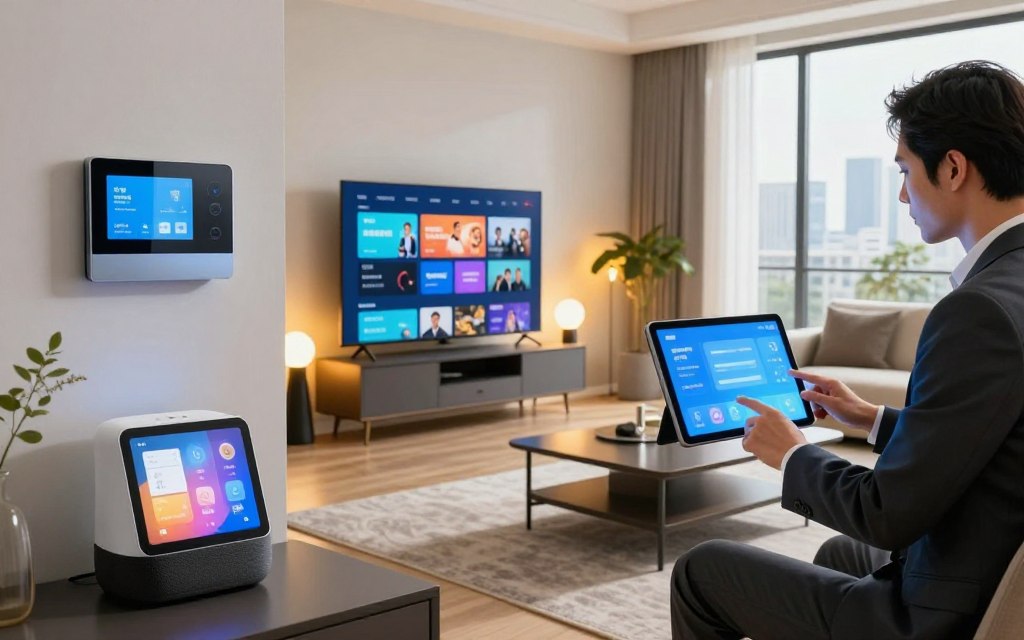
Connected devices are objects with sensors, software, and network links. They send or receive data over the internet or local networks. These devices make simple items smart by linking microcontrollers and actuators with cloud services.
They use Wi‑Fi, Bluetooth, Zigbee, Z-Wave, and cellular options like LTE and 5G for connections.
These devices range from smart home items to industrial systems. At home, you might use speakers or thermostats. In factories, sensors and trackers improve production and logistics.
Platforms like Amazon Web Services IoT, Google Cloud IoT, and Microsoft Azure IoT Hub support these connections.
Definition and Overview
Connected devices combine sensing, processing, and communication. They have sensors for temperature and motion, microcontrollers for data processing, and actuators or interfaces for responses. Cloud storage and APIs enable third-party services and automations.
Interoperability is key. Standards like Matter aim to unite different brands and platforms. But, setting up devices from various manufacturers can still be tricky.
Types of Connected Devices
Consumer smart devices include everyday items. Smart speakers like Amazon Echo and Google Nest are common. Smart thermostats, such as Nest and ecobee, control your home’s temperature.
Smart lighting, like Philips Hue and LIFX, adds convenience. Wearables, including Apple Watch, Fitbit, and Garmin, track health and activity.
Home security and appliances now come with connectivity. Ring doorbells and Arlo cameras offer remote monitoring. Large appliances from Samsung and LG have connected features.
Industrial and commercial IoT includes sensors from Siemens and Bosch for manufacturing. Schneider Electric provides building management systems. Fleet telematics from Verizon and Samsara tracks vehicles and cargo.
Networked medical devices support remote care. Dexcom’s continuous glucose monitors and hospital equipment stream data to clinicians. New areas include connected vehicles, smart meters, and agricultural sensors for precision farming.
As IoT devices grow, it’s important to watch standards and platform choices. This ensures compatibility and secure operations.
The Rise of Smart Homes
Smart home technology has become a part of our daily lives. In the United States, people now expect devices to respond to voice commands, phone apps, and simple schedules. This change helps manage energy, safety, and comfort with connected devices working together.
Smart devices make life easier for busy people. Voice assistants like Amazon Alexa and Google Assistant let you control lights, music, and locks without lifting a finger. Mobile apps allow remote access from anywhere. Families can set scenes that trigger at specific times, like sunrise or bedtime.
Many homeowners value energy savings. Smart thermostats from Nest and ecobee learn your schedule and cut down on heating and cooling costs. Energy-monitoring plugs show standby use and help reduce waste. Studies show that using networked devices wisely can lower monthly utility bills.
Safety improves with smart locks, video doorbells, and sensors. Brands like Ring and August offer remote access and instant alerts. Smoke and CO alarms, such as Nest Protect and Roost, add extra protection. Cameras and motion sensors provide live feeds and recorded events for peace of mind.
Automation and voice control help those with mobility challenges. Older adults and people with disabilities can manage lights, blinds, and appliances easily. Remote monitoring lets caregivers check on loved ones while keeping their independence.
Integration makes smart homes personal. Hubs like Samsung SmartThings and assistants from Amazon and Google connect devices. The new Matter standard makes scenes and routines work across many products.
Smart gadgets fill every room. Smart speakers and displays, like Amazon Echo Show and Google Nest Hub, play music and show recipes. Thermostats from Nest, ecobee, and Honeywell Home control the climate efficiently.
Lighting options include Philips Hue, LIFX, and Sengled bulbs with color and scheduling controls. Security systems range from DIY SimpliSafe kits to professionally monitored ADT packages. Video solutions like Arlo and Ring cameras cover doors and yards.
Smart locks and garage controllers, such as August Smart Lock and Schlage Encode, simplify access. Major appliance makers like Samsung and LG offer connected refrigerators and washers with diagnostic features and remote modes.
Managing connected devices is key for smooth operation. Users should plan networks, pick compatible hubs, and update firmware regularly. Good practices reduce conflicts and keep routines reliable.
| Category | Example Brands | Main Benefit |
|---|---|---|
| Smart Speakers & Displays | Amazon Echo Show, Google Nest Hub | Voice control, media, central hub functions |
| Thermostats & HVAC | Nest, ecobee, Honeywell Home | Energy savings, remote scheduling, comfort |
| Smart Lighting | Philips Hue, LIFX, Sengled | Color control, scenes, timed lighting |
| Security & Surveillance | Ring, Arlo, SimpliSafe, ADT | Real-time alerts, monitoring, recorded video |
| Locks & Garage | August Smart Lock, Schlage Encode, Chamberlain MyQ | Keyless entry, remote access, event logs |
| Smart Appliances | Samsung, LG | Remote diagnostics, energy modes, convenience |
Impact on Daily Life
Connected technology makes our daily routines easier. It starts with morning alarms that wake us up gently. Thermostats learn our habits and save energy.
Convenience and Efficiency
Voice commands and one-touch routines save us time every day. Timers and smart devices like Nest thermostats make chores easier. They free us from repetitive tasks.
Home offices get a boost from reliable Wi‑Fi extenders and smart displays. These tools help remote workers and cut down meeting setup time. Small gains add up over a week.
Energy dashboards and smart plugs show us how much energy we use. This info helps us save money and make smart choices. It’s a big change from old analog meters.
Connected car systems from Tesla and General Motors offer remote start and route optimization. They make driving more efficient and less frustrating.
Enhanced Lifestyle Choices
Entertainment systems adapt to our moods. Sonos speakers and Spotify playlists create the perfect atmosphere. Mood lighting and automated scenes make spaces feel special without effort.
Home wellness tools like Awair air quality monitors and smart humidifiers improve our health. They help us spot issues before they affect us.
Smart kitchen gear makes cooking faster. Wi‑Fi-enabled instant pots and smart scales streamline meal prep. They turn complex recipes into simple steps.
Smart scheduling and do-not-disturb modes help us focus. They create clear boundaries between work and personal time. Families can enjoy quiet hours, reducing distractions.
Access to these benefits is not equal. Cost, connectivity, and technical skills affect who benefits most. Companies like Apple and Samsung are working to make these tools more affordable and accessible to everyone.
Connecting the Global Community
Connected technology has made it easier to meet, work, and celebrate together. Now, we can talk in real-time from anywhere. This is thanks to smart devices and fast internet in the United States.
Social Interaction Through Technology
Smart displays like Google Nest Hub and Amazon Echo Show bring people together. Video doorbells and audio systems from Ring and Sonos let families share moments.
Smartphones and wearables keep us connected. Facebook and Instagram work with these devices for instant sharing.
Technology also helps everyone join in. Apple and Google’s accessibility features make calls and activities more inclusive.
Virtual Events and Meetings
Now, we can attend concerts and conferences from home. Smart TVs and mobile devices offer interactive tools like polls. Zoom, Microsoft Teams, and Google Meet work well on connected devices.
Companies use special hardware for clear meetings. Logitech and Polycom systems rely on IoT devices for stability.
New formats like VR/AR and spatial audio are changing how we work and play. Connected devices are key to these new experiences.
| Use Case | Example Devices or Platforms | Impact |
|---|---|---|
| Family Communication | Google Nest Hub, Ring video doorbell, Sonos multi-room audio | Easier daily check-ins, shared media, remote monitoring |
| Remote Work | Logitech conference cams, Microsoft Teams, Polycom room systems | Improved meeting quality, centralized collaboration, reduced travel |
| Live Events | Smart TVs, mobile streaming apps, spatial audio platforms | Broader reach, interactive audience features, hybrid attendance |
| Accessibility | Apple VoiceOver, Google Live Transcribe, captioning services | Inclusive participation, real-time support, better user experience |
| Immersive Collaboration | VR headsets, AR collaboration tools, networked devices platforms | Higher presence, experiential meetings, new creative formats |
Health and Wellness Innovations
Connected devices are changing how we track fitness and manage health. From wrist-worn trackers to clinical monitors, smart devices feed data into apps and platforms. This helps people stay active and informed.
Wearable Devices and Fitness
Wearable devices like Apple Watch, Fitbit, Garmin, and Samsung Galaxy Watch track steps, heart rate, and GPS. They also monitor ECG and sleep. These features help build simple habits and set clear daily goals.
Apple Watch ECG can detect irregular heart rhythms and send emergency SOS in case of falls. Fitbit and Garmin focus on activity zones and recovery metrics for athletes and casual users. They integrate with Apple Health and Google Fit for coaching and personalized plans.
Connected home gym equipment from Peloton and Mirror streams classes and records workout stats. This creates social engagement and long-term motivation through community challenges and leaderboards.
Remote Health Monitoring
Medical-grade IoT devices like Dexcom’s continuous glucose monitors and remote blood pressure monitors send data to clinicians in real time. Telehealth platforms let providers review trends and adjust care between visits.
Hospitals use connected devices to support early discharge and home recovery. Remote telemetry, medication adherence trackers, and fall detectors reduce readmissions and keep patients safer at home.
Regulatory safeguards matter for patient data. HIPAA rules and FDA oversight apply to many connected medical devices. Strong cybersecurity practices protect information and device integrity.
Rural and underserved communities gain access to specialists through telehealth and remote monitoring. IoT solutions bridge distance, lower travel burdens, and expand care options where clinics are scarce.
Effective connected device management ties all these elements together. Clear device provisioning, secure data flows, and user education help wearable devices and IoT devices deliver real health value.
The Role of IoT in Smart Cities
Urban planners and tech teams are making cities better with IoT. They use smart devices to gather data in real-time. This data helps reduce waste, ease traffic, and improve services.
IoT solutions power automated systems. Sensors in roads and transit systems share data. This data helps reduce traffic, shorten commute times, and improve navigation.
Automated Infrastructure and Services
Smart traffic management uses IoT to adjust lights based on traffic. Cities like Los Angeles and Barcelona use sensors to cut idle time and emissions.
Public safety gets a boost from IoT devices like surveillance cameras and gunshot detectors. Smart street lights adjust brightness based on people, saving energy and improving safety.
Waste and water management teams use IoT to track usage and spot issues early. Companies like Veolia and Siemens provide IoT solutions for better planning and maintenance.
Public transit benefits from real-time tracking and connected fare systems. Bike and scooter telematics improve fleet distribution and reliability in dense areas.
Asset management uses IoT to monitor bridges, roads, and utilities. This data helps predict repairs, saving money and avoiding failures.
Environmental Benefits
Connected building management systems optimize HVAC and lighting. Companies like Honeywell and Johnson Controls help cut energy use while keeping buildings comfortable.
Air quality monitoring networks use sensors to map pollution. City health teams use this data to issue alerts and target interventions.
Smart grids and meters help utilities manage energy supply and demand. Networked devices in homes and businesses enable demand response programs.
Case studies show cities that use IoT solutions see big environmental gains. When cities adopt IoT at scale, the benefits add up quickly.
Security Concerns with Connected Devices
Connected devices make life easier but also raise security and privacy issues. Smart speakers, cameras, and wearables collect a lot of data. This data includes audio, video, location, and health information. If these devices are not secure, they can let hackers into your home or business.
Privacy Issues and Data Protection
Smart speakers and cameras can record your activities without asking. Wearables can track your location and routines. Apps and voice assistants might collect more data than you think. Weak passwords and default settings make it easy for hackers to get to this data.
In the U.S., there are rules to protect your data. The Federal Trade Commission makes sure companies don’t play unfair. Laws like the California Consumer Privacy Act give you more rights. If devices collect health data, they must follow HIPAA rules.
There have been big security breaches involving IoT devices. For example, unsecured baby cameras and the Mirai botnet showed the dangers. These incidents have made companies work harder to keep devices safe.
Best Practices for Securing Devices
To keep your devices safe, change default passwords and use two-factor authentication. Update your firmware right away. Putting IoT devices on a guest Wi-Fi network limits their access.
Manufacturers should make devices secure from the start. They should release updates quickly and be clear about privacy. Using standards like Matter helps devices work better together, like Google Nest and Amazon Ring.
Businesses and cities need strong security measures. They should have good identity and access controls, watch their networks closely, and have a plan for managing devices. Working with cybersecurity experts helps find and fix security issues.
- Follow NIST guidance for IoT security.
- Use reputable IoT security vendors and antivirus tools.
- Consult consumer portals from the Electronic Frontier Foundation for practical privacy tips.
Future Trends in Connected Devices
The next wave of connected technology will change how we live and work. Improvements in networks, standards, and on-device intelligence push smart devices into new roles. These shifts affect consumers, businesses, and city planners alike.
Advancements in networking and processing
Broad 5G coverage and low-power options like LoRaWAN and NB-IoT will extend battery life and reach for IoT devices. Devices that once needed frequent charging will run longer and cover wider areas.
Edge computing and on-device AI reduce lag and bandwidth use. Cameras and wearables can analyze data locally, enabling faster responses and smarter automation without sending everything to the cloud.
Standards, security, and energy
Industry momentum behind Matter and similar protocols improves cross-brand interoperability. Better standards will ease integration and raise baseline security for connected technology.
Advances in battery chemistry and energy harvesting let manufacturers build smaller sensors for industrial and environmental monitoring. These gains lower maintenance and support broader IoT solutions.
Autonomy and industrial change
Autonomous vehicles, delivery drones, and robotics will rely on robust connected device management for coordination and safety. Reliable connectivity lets these systems operate with less human oversight.
Manufacturing and supply chains will adopt IoT devices for predictive maintenance and quality control. Real-time telemetry improves uptime and reduces waste across production lines.
Health, agriculture, and lifestyle
Personalized medicine will combine genomics with continuous monitoring for tailored treatments. Remote sensors and analytics enable care that adapts to individual needs.
Smart agriculture will use soil and weather sensors to automate irrigation and increase yields. Farmers gain visibility and conserve resources through precise IoT solutions.
Consumer experiences and city services
Augmented reality and deeper device integrations will make entertainment and home systems more immersive. Smart devices will learn preferences and deliver seamless experiences.
Smart city services will expand beyond lighting and parking to dynamic transit routing and environmental sensing. Municipal planners gain tools for resilience and better public services.
| Trend | Driver | Impact |
|---|---|---|
| 5G and LPWAN | Network rollout and spectrum allocation | Extended range for IoT devices and lower latency for real-time apps |
| Edge AI | On-device ML chips from Qualcomm and NVIDIA | Faster local decisions, reduced cloud costs, improved privacy |
| Interoperability | Matter and industry collaboration | Simpler integrations for smart devices and fewer vendor lock-ins |
| Energy tech | Battery advances and energy harvesting | Smaller sensors, longer life for environmental and industrial IoT |
| Autonomous systems | Robotics and drone innovations | New delivery, inspection, and logistics models needing connected device management |
| Healthcare IoT | Wearables and remote monitoring devices | Personalized medicine and continuous care pathways |
Conclusion: Embracing the Connected Lifestyle
Connected devices have changed how we live, work, and connect with others. They bring convenience, safety, health tracking, and save energy. They also help us stay in touch and share moments easily.
But, there are downsides to consider. Privacy and security risks exist, and there are costs involved. It’s important to be digitally savvy. Choose devices with strong security, clear updates, and work well with other systems.
To make the connected world safer and greener, start by checking your devices. Keep them updated, use strong passwords, and divide your network. Also, research the support you’ll get from the vendor before you buy.
Businesses and communities should have plans for IoT. Invest in secure systems and train your team. This way, you can manage connected devices well.
Stay updated with new standards like Matter and watch for changes in privacy laws. Keep an eye on tech advancements like 5G and edge AI. Making smart choices now can make your life better and keep you safe.