
Advertisement
L’Oréal products reach consumers in more than 150 countries. This gives the company broad consumer feedback. Through l’oréal product testing, eligible participants may evaluate beauty products and share opinions before or after launch.
L’Oréal Free Samples
Discover how to get free L’Oréal samples, what products are available, and step-by-step instructions to check current opportunities.
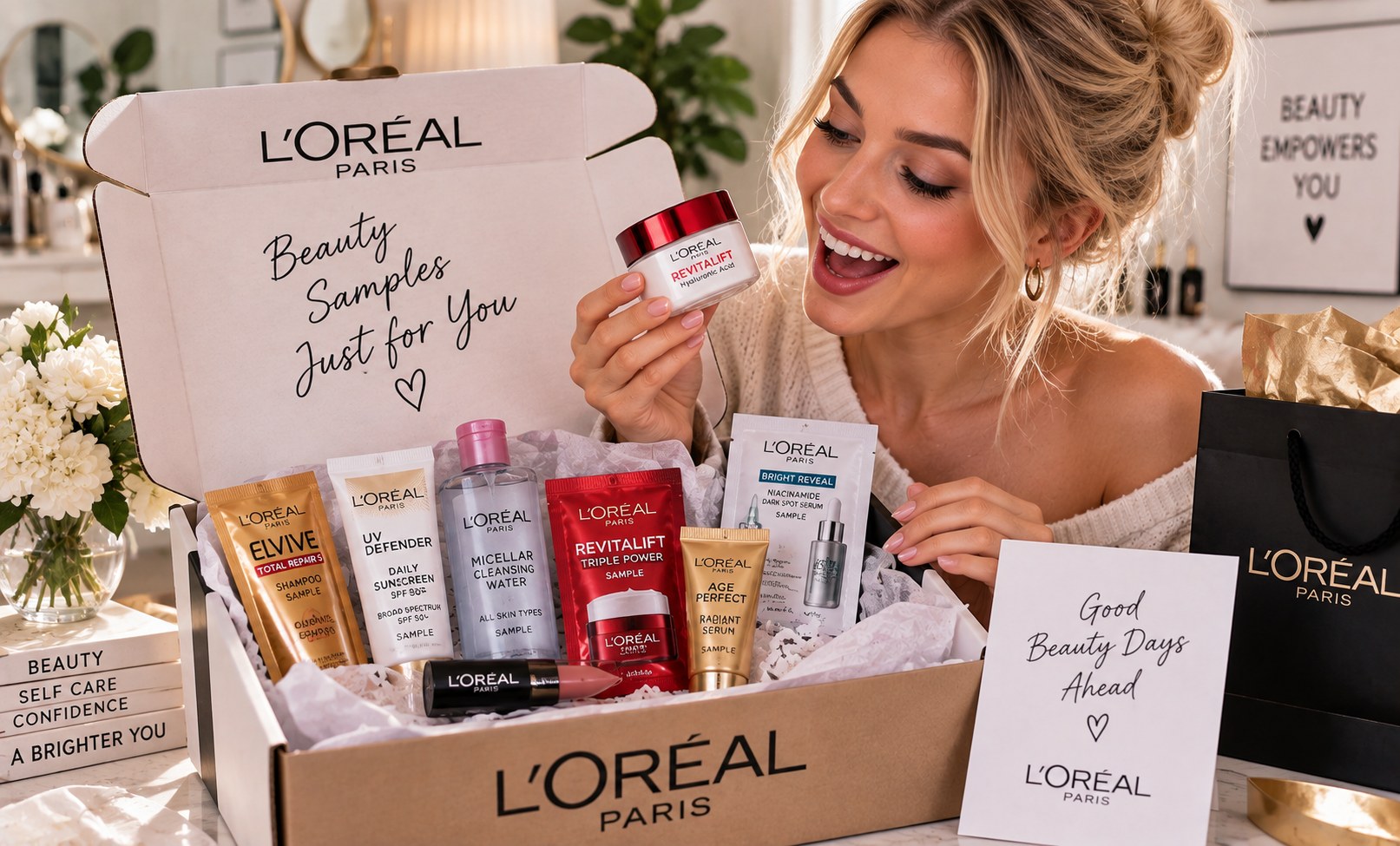
You may complete surveys, answer questionnaires, or write reviews about your experience. This beauty product testing may cover skincare, makeup, haircare, and other personal care items.
This guide explains the products you may receive, how testers are selected, and what participation involves. It also covers tester responsibilities, possible benefits, and key limits. Invitations and product shipments are not guaranteed, and opportunities may vary by campaign, location, and participant profile.
Introduction to Beauty Product Testing and Consumer Feedback
Consumer product testing helps beauty brands understand how products work in daily routines. You may try a sample at home and share first impressions after several uses.
The product testing process can examine texture, scent, application, packaging, comfort, and performance. You may describe how a moisturizer feels, how well foundation blends, or how shampoo affects your hair. Your overall satisfaction matters, too.
Feedback may come through online surveys, product diaries, questionnaires, interviews, or review forms. Each campaign has its own schedule and questions. Some studies ask for quick ratings, while others request detailed notes over several weeks.
Useful feedback is specific and honest. Focus on what you noticed during actual use, including positive results and concerns. Clear details give brands stronger insight into the consumer experience and help shape the next product testing process.
What Is L’Oréal Product Testing?
L’Oréal product testing is consumer research that collects opinions on products, ideas, packaging, claims, and real-world use. Your feedback can show how people might respond to a beauty product before or after launch.
Purpose of the L’Oréal Brand Testing Program
The goal of l’oréal brand testing is to compare reactions among relevant consumer groups. You may share views on a product’s texture, scent, design, ease of use, or performance. These responses can highlight areas needing refinement.
How the Product Testing Process Generally Works
You usually start with a profile or screening questionnaire. It may ask about your age, beauty habits, product use, and personal preferences. If your profile matches a campaign, you may receive an invitation.
After you accept, try the eligible product as directed. You may need to follow the instructions for a set period. A survey or feedback form often has a stated deadline.
How L’Oréal Uses Product Testing Results
Product testing results may support product development, communication research, usability studies, and quality evaluation. They can help teams see how a product performs in daily routines.
Your answers may be reviewed alongside feedback from other participants. This helps identify shared patterns instead of relying on one person’s experience. Questions and activities may vary by campaign.
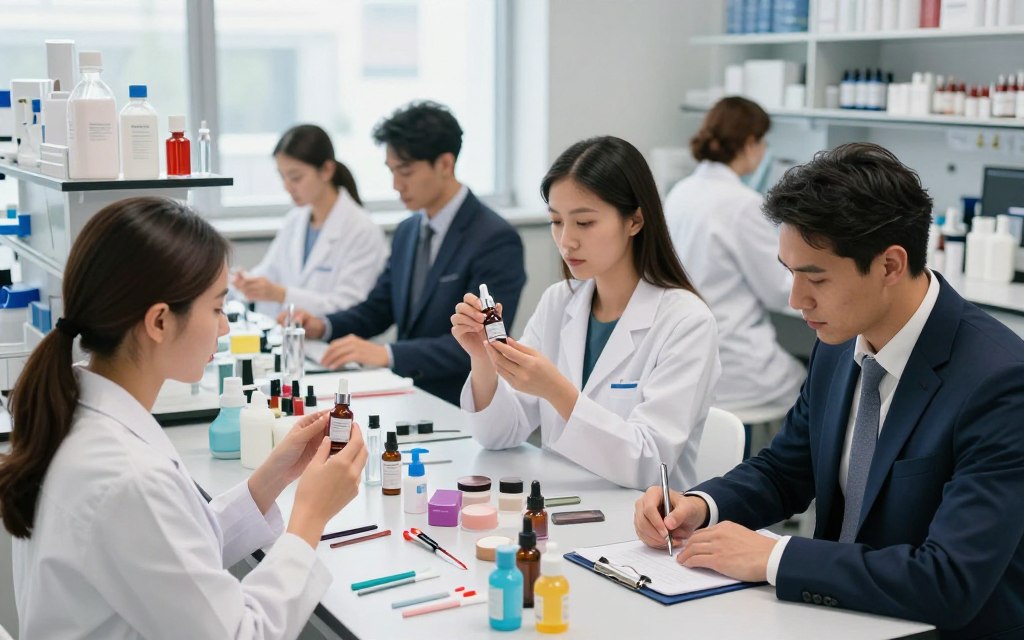
Products You May Receive Through L’Oréal Product Testing
L’Oréal research campaigns may explore many parts of your beauty routine. Your study, profile, and campaign schedule determine which products you may receive. You may use the product at home and review it during a set period.
Skincare Product Testing Opportunities
Skincare product testing may include cleansers, moisturizers, serums, sunscreens, masks, or targeted treatments. You may assess texture, absorption, comfort, scent, and perceived results during regular use.
Some studies require you to follow a set routine. Your feedback may cover skin feel, ease of use, and how well the product fits your day.
Makeup and Cosmetic Product Testing
Cosmetic product testing can include foundation, concealer, mascara, lipstick, blush, and other color cosmetics. You may review shade, coverage, application, wear, and removal.
Photos, product diaries, or surveys may record your experience. Your skin tone, makeup habits, and preferred finishes can affect which studies match your profile.
Haircare Product Testing Opportunities
Haircare product testing may feature shampoo, conditioner, styling products, treatments, or hair color products. Reviews can focus on cleansing, conditioning, manageability, fragrance, and visible results.
Your hair type, texture, color history, and styling routine may guide product selection. Read each study’s requirements before applying or accepting an invitation.
Other Beauty and Consumer Products
Some campaigns cover body care, fragrance, beauty tools, packaging concepts, or related personal care items. These studies may examine scent, design, function, comfort, or ease of use.
- Body lotions and washes
- Fragrances and scent concepts
- Brushes, applicators, and beauty tools
- Packaging designs and personal care formats
Product availability can change between campaigns. A study may involve a finished product, a new formula, or a concept under evaluation.
Who Can Apply and How Testers Are Selected
Eligibility for l’oréal product testing may depend on several details. These may include your U.S. location, age, skin or hair traits, product use, and shopping habits. Each campaign sets its own requirements.
Research teams may review your questionnaire and compare your answers with campaign criteria. They may seek a balanced group with varied experiences, product needs, and backgrounds. Your past participation in research can also affect this review.
Availability can change by region, demographic group, product category, and research timeline. A profile or application does not guarantee selection for consumer product testing. You may qualify for one study but not match another study’s needs.
Before sharing personal details, read the official terms, privacy information, eligibility rules, and campaign instructions. Check how your information may be used and what steps the study requires. Use only details that are accurate and current.
What to Expect as a L’Oréal Product Tester
Taking part in l’oréal brand testing can involve more than receiving a product. You may answer questions, follow a routine, and share clear feedback during a campaign.
Application Questionnaires and Matching Criteria
An application questionnaire may ask about your age, location, daily routine, and product preferences. You may report allergies, skin sensitivities, hair concerns, or past experience with similar products.
Each campaign has its own matching criteria. An invitation may go only to people with the required skin type, hair texture, beauty routine, or product experience. Answer carefully because your responses help decide whether the campaign fits you.
Invitations, Limited Availability, and Campaign Timing
Invitations may arrive by email or through an official testing platform. Campaigns can have limited spaces, fixed testing periods, and firm survey deadlines.
Read the invitation soon after receiving it. A spot may close before you respond. Accepted participants may need to complete each task within the stated time.
Tester Responsibilities and Honest Feedback
The product testing process may require you to use the item as directed. You could complete surveys, record changes, answer follow-up questions, or explain how it fits your normal routine.
Useful feedback should be specific and honest. Describe the texture, scent, ease of use, results, and any discomfort you notice. You do not need to praise a product that fails to meet your needs.
Potential Benefits and Important Limitations
Beauty product testing can let you try an item before its wider release. Your views may support future consumer research and help shape product decisions.
Participation and product receipt are not guaranteed. Campaign terms may differ for shipping, payment, disclosure rules, and product return or disposal.
Review the official offer before accepting. Do not assume you will receive payment or a free product unless the terms clearly say so.
Conclusion
L’Oréal product testing gives eligible U.S. consumers chances to try skincare, makeup, haircare, and other beauty products. Your feedback may shape future formulas, packaging, and product experiences.
Selection depends on each campaign’s needs, your profile, timing, and available spaces. In consumer product testing, honest, detailed answers are your main contribution. Clear feedback also helps improve the value of product testing results.
Product receipt, payment, and participation are not guaranteed. Before applying, review the official instructions and confirm how your information will be used. Avoid sharing personal details through unverified messages or websites.
For the application process and possible next steps, continue to P2. There, you can learn how to find suitable L’Oréal product testing opportunities and prepare your application.