

Advertisement
Dog care can cost more than $1,000 a year, even before an emergency visit. After adding up your yearly dog care costs, use these 15 tips to save money on dog care.
Savings vary based on your dog’s needs, location, and current prices. Use any dollar ranges as planning estimates, not guaranteed savings, and ask your veterinarian before changing your dog’s food or medication. Affordable dog care should not mean cutting nutrition or skipping needed veterinary care.
Save money on dog food with smarter shopping
You can save money on dog food without reducing nutritional quality. Compare the full cost, buy only what you can store safely, and measure every meal. Ask your vet before changing your dog’s food or portions, especially for puppies, seniors, or dogs with health conditions.
Buy bulk dog food when the price and storage make sense
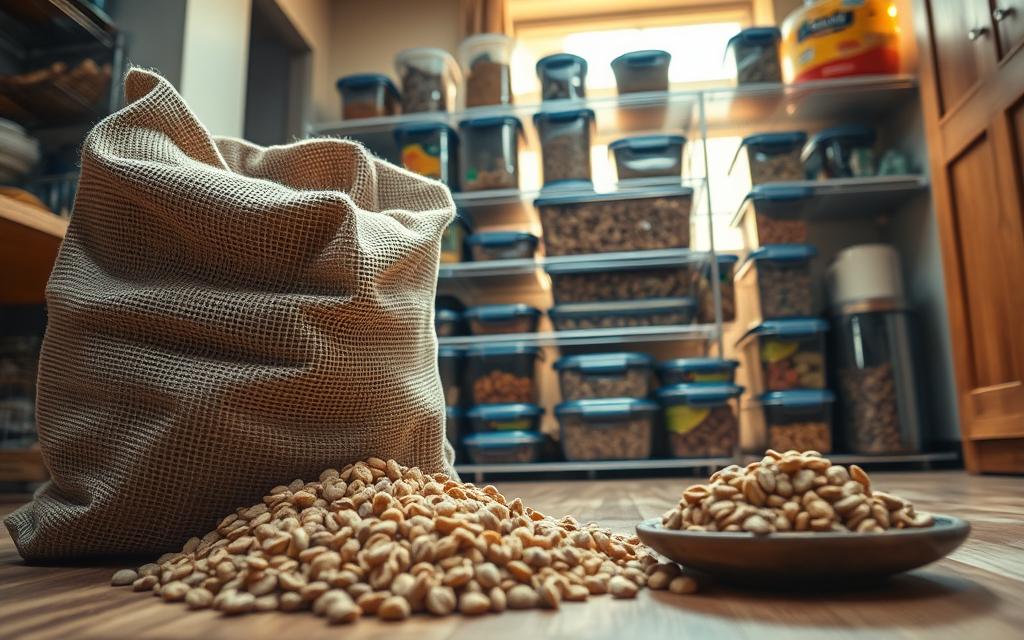
Check the dog food unit price, expiration date, and bag size before buying. A larger bag may cost less per pound, but choose an amount you can keep fresh and use in time. Depending on the food and price difference, bulk purchases may save about $25 to $150 a year.
Compare prices across retailers and look for loyalty offers
Compare sale prices, shipping fees, subscription terms, and loyalty rewards across stores. A lower shelf price may not be the best deal after delivery costs. When the total price is lower, you may save $10 to $100 or more per year.
Prevent food waste with measured portions
Follow the feeding guidance on the label and your veterinarian’s advice. Measure each serving and store the food as directed to help prevent spoilage. Depending on how much food you used to waste, this may save about $10 to $75 a year.
Lower veterinary costs with preventive care
Routine veterinary preventive care can find health concerns early, when treatment may be easier. Keep regular visits in your budget instead of skipping them to save money.
Keep up with veterinary preventive care
Ask for an itemized estimate before each visit. Talk with your vet about tests and preventive treatments that fit your dog’s age and health risks. Ask whether the clinic offers payment options.
Use low-cost vaccine clinics when they fit your dog’s needs
Low-cost dog vaccines may save $10 to $75 per visit compared with local full-service prices. Check what the fee covers, how records are handled, and where to get follow-up care.
Follow your vet’s vaccine schedules
Follow your veterinarian’s vaccine schedules. Do not delay a shot or add vaccines without asking what your dog needs.
Ask about generic prescription medication costs
Ask whether a safe generic or another pharmacy could lower prescription medication costs. Compare the full price, including shipping. Savings may range from a few dollars to over $100 a year, based on the drug and source.
Never stop or switch a medication without your vet’s approval.
Save on grooming with regular at-home maintenance
Simple care at home can reduce extra grooming visits. It does not replace professional care for dogs with coats that mat easily or need special attention.
Learn basic DIY grooming for your dog
Learn brushing, bathing, and nail care suited to your dog’s coat and temperament. Use the right tools, and ask a groomer or veterinarian to show safe techniques if unsure. Avoid procedures that could hurt your dog.
Your dog’s coat and safely skipped visits affect the savings. DIY dog grooming may save about $50 to $300 a year.
Keep up with grooming maintenance between appointments
Brush your dog and check their ears, paws, and coat between visits. Regular grooming maintenance can catch tangles or irritation early, before they require extra work. Possible savings range from $25 to $150 a year, though results vary.
Compare grooming packages and local providers
Ask what each package includes, and check for extra fees based on coat condition or length. Compare clear local quotes to find an affordable dog groomer whose services fit your dog’s needs. A better-fitting package or provider may save $20 to $150 per year, based on local prices.
Cut dog supply costs without sacrificing quality
Small choices can lower pet costs without risking your dog’s comfort or safety. Choose supplies that fit, last, and are easy to clean.
Choose durable essentials instead of frequent replacements
Check the fit, materials, and care instructions before buying leashes, bowls, or beds. Durable dog supplies may cost more at first but often last longer. Replace damaged gear promptly to keep your dog safe.
Buy supplies during sales and compare unit prices
Compare the price per item or ounce, and read sale terms before stocking up. Buy only what you can use and store well. Careful shopping may save about $25 to $150 a year, based on your purchases and replacement needs.
Make safe DIY dog enrichment toys and activities
Try simple, supervised diy dog enrichment: hide kibble in a towel or search for treats in a clear space. Avoid small, breakable, toxic, or swallowable materials; stop if your dog chews or eats them. Safe activities may trim enrichment costs by about $10 to $100 a year, support dog supply savings, and protect health.
Plan ahead for insurance, emergencies, and predictable expenses
Planning for vet bills helps you make choices before a crisis. Compare insurance costs with savings, and include routine care in your yearly budget.
Compare pet insurance deductibles and coverage
Look beyond the monthly premium when you compare plans. Pet insurance deductibles, reimbursement rates, annual limits, waiting periods, and exclusions affect your costs.
Check whether you must pay the clinic first and request reimbursement. Get quotes based on your dog’s age, breed, and location. Read the policy terms before enrolling.
Weigh pet insurance against building an emergency vet fund
Insurance can help with eligible claims, but it does not guarantee savings. Compare premiums and out-of-pocket costs with the protection a policy may provide.
An emergency vet fund gives you money for care, but it takes time to build. An emergency may happen before the fund is ready. Set an affordable recurring deposit and review it with predictable yearly expenses. Seek needed veterinary care without delay.
Biggest savings at a glance
Use these ranges as planning examples, not promises. Local prices, your dog’s size and needs, and current spending can change the results. To save money on dog care, compare current costs with proposed costs before changing anything.
- Food — Buy in bulk: Potential savings: $25–$150 a year. Store food safely and check its expiration date.
- Food — Compare retailers and loyalty offers: Potential savings: $25–$200 a year. Compare the price per pound and check that the food suits your dog.
- Food — Measure portions: Potential savings: $20–$150 a year. Follow feeding guidance to help avoid overfeeding.
- Vet care — Keep up with preventive care: No guaranteed savings. Routine care helps manage health risks; ask your vet which services your dog needs.
- Vet care — Use a low-cost vaccine clinic: Potential savings: $20–$100 per visit. Bring your dog’s records and confirm the clinic can meet their needs.
- Vet care — Follow vaccine schedules: No guaranteed savings. Ask your vet which vaccines fit your dog’s health and lifestyle.
- Vet care — Ask about generic medicine: Potential savings: $10–$100 a year. Use a generic only with your vet’s approval.
- Grooming — Learn basic at-home care: Potential savings: $50–$300 a year. Use safe tools and ask a groomer or vet for guidance when needed.
- Grooming — Maintain your dog between visits: Potential savings: $25–$150 a year. Brush and trim only as your dog’s coat and comfort allow.
- Grooming — Compare providers and packages: Potential savings: $20–$150 a year. Check what each service includes before you book.
- Supplies — Choose durable essentials: Potential savings: $20–$100 a year. Pick items suited to your dog’s size and chewing habits.
- Supplies — Shop sales and compare unit prices: Potential savings: $20–$150 a year. Skip deals on products you do not need.
- Supplies — Make safe enrichment toys: Potential savings: $10–$75 a year. Avoid small parts or materials your dog could swallow.
- Insurance — Compare deductibles and coverage: No guaranteed savings or payout. Review exclusions, limits, and premiums to understand the protection offered.
- Emergency fund — Set aside money for vet bills: No direct savings estimate. A fund can help you manage unexpected costs; keep it accessible for urgent care.
Food, grooming, and supply savings are easiest to estimate by comparing current and proposed costs. Preventive care and insurance help manage health risks and surprise expenses, but they do not guarantee financial returns. Choose practical changes, track yearly costs, and refine your annual dog budget for lasting dog care savings.
Conclusion
You can save money on dog care by making changes that fit your pet and budget. Compare food prices, measure portions, groom at home, and review your insurance terms.
An affordable dog care plan means spending wisely, not skipping needed care or choosing lower-quality food. Preventive care and durable supplies can manage costs while supporting your dog’s health.
Ask your veterinarian before changing food, portions, vaccines, or medication. If your dog needs veterinary care, seek it promptly. These choices support responsible dog ownership and help plan future costs.